Entry · Ref Q8Z_DSVH
How to Choose the Right Quad Bike Rental in Dubai
- Posted
- 2026-11-28
- Last amended
- 2026-11-28
- Account
- @mydunebuggydubaisite
Choosing a quad bike rental in Dubai starts with knowing what kind of ride you want. The desert can feel open and forgiving, but the terrain changes quickly from firm sand to soft dunes, and the right vehicle makes the day more comfortable. A careful choice also helps you avoid surprises at pickup, especially around timing, safety rules, and what is included. Treat the booking as a short decision process rather than a quick reservation.
Work out the riding style first
Before comparing offers, decide how the bike will be used. A short ride on marked trails calls for a different approach than a longer desert session with stops and photo breaks. Riders who want a calm introduction may prefer a smaller engine and a predictable route. Experienced riders who enjoy uneven sand may look for more power, but extra power is not always the better choice. It can make the bike harder to manage if you are unfamiliar with dune riding.
Think about who will ride. Age, height, confidence, and past experience all matter. A teen or a first-time rider should not be placed on a powerful bike just because it looks more exciting. If the group includes mixed abilities, choose a package that allows slower riders to keep up without feeling rushed. The best fit is usually the one that lets everyone finish the ride feeling in control.
It also helps to separate quad bikes from other off-road vehicles. A quad bike is ridden like an ATV, with body movement and steering input working together. A dune buggy dubai option has a different feel, often with a steering wheel and a wider stance. Both can be enjoyable, but they suit different comfort levels. If you are unsure, start with the vehicle type that matches your confidence rather than the one that looks most dramatic in photos.
Check the route and the time you actually get
Rental time packages can sound simple, yet the details shape the day. Look at the total duration and ask what part of that time is riding, what part is briefing, and what part is travel or stopping. A longer package is useful only if the route gives enough variety and the pace is not spent waiting in a queue. A shorter session can still feel full if the trail is well planned and the group size is sensible.
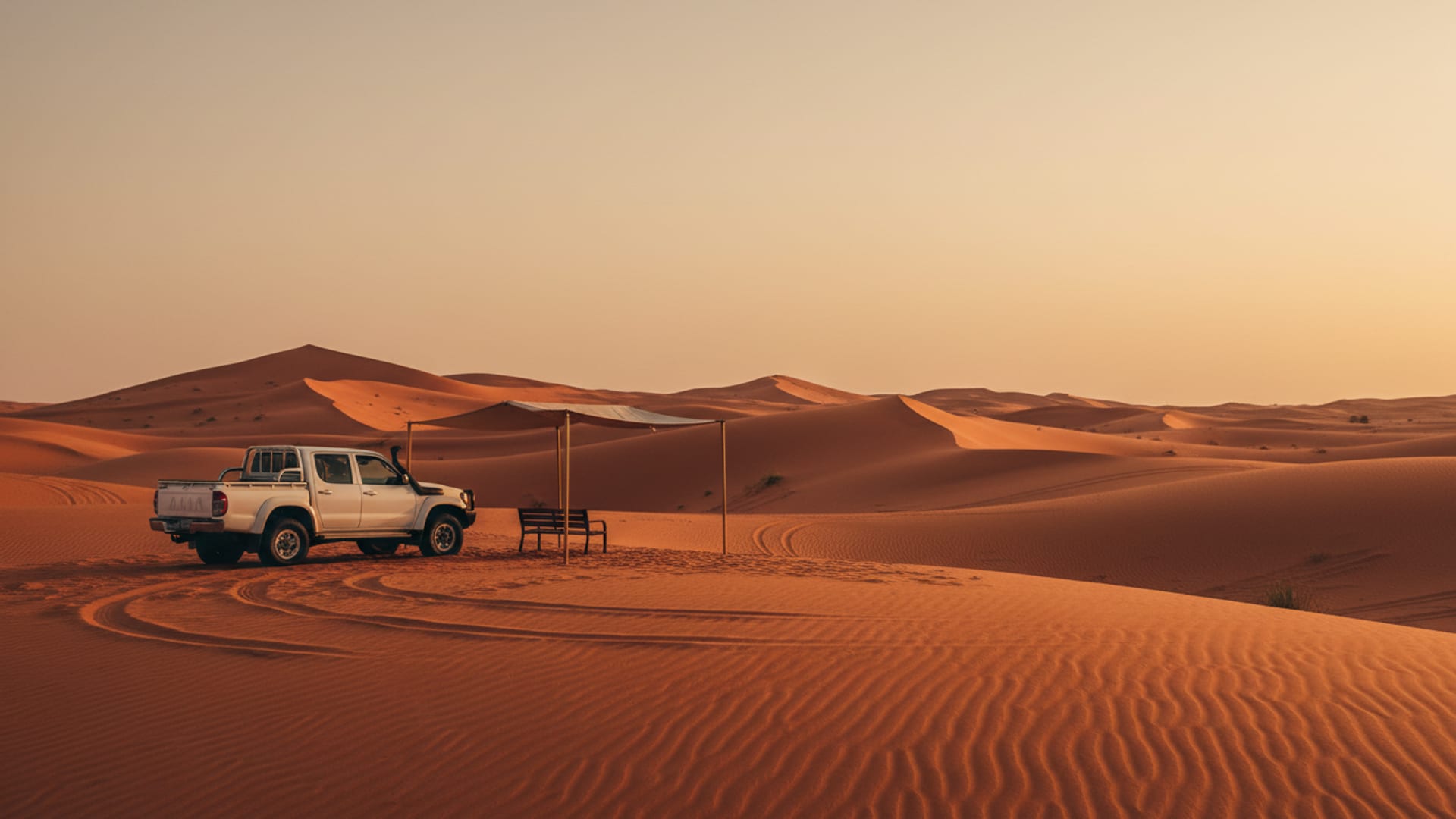
Ask where the ride begins and what kind of terrain is expected. Flat desert tracks are approachable for new riders, while steep dunes demand more skill and a bike in good condition. If the route includes public roads or transfers, confirm how those parts are handled. Clear route details are a sign that the rental is organised around rider safety and comfort, not just vehicle handover.
Timing matters in the desert. Midday heat can make a ride feel harder, and low light changes how dunes read under the wheels. Morning and late afternoon sessions often feel more manageable for new riders. If the day is flexible, choose a slot that gives you room to arrive, listen to instructions, and get settled rather than rushing straight into the ride.
Review the bike before you commit
A quad bike maintenance check should be part of a sensible rental decision. You do not need mechanical training to notice the basics. Look for a bike that appears clean, evenly worn, and ready to ride. Tyres should look properly inflated and free from obvious damage. Handlebars, levers, footrests, and body panels should sit securely. Any loose part, worn strap, or warning light deserves a question before the ride begins.
Pay attention to braking response during a low-speed check in a safe area. The bike should slow steadily and feel balanced, not pull sharply or feel vague. Steering should turn smoothly without catching. If something feels wrong at walking pace, it will not improve on rough sand. A responsible rental setup will take the concern seriously and either explain it clearly or change the bike.
Protective gear is part of the vehicle choice. Ask about helmets, gloves, goggles, and suitable clothing. Sand can get into eyes, and low branches or sudden turns can catch exposed skin. Closed shoes are a practical choice, and loose scarves or dangling accessories should be avoided. If gear is not offered, factor that into the decision. The aim is not to look prepared, it is to reduce avoidable discomfort and risk.
Read the terms in plain language
Before paying, understand the agreement. A quad bike rental deposit is common in this type of booking, but the amount, the hold period, and the conditions for release should be clear. Ask what counts as damage and how it is recorded. A fair process normally includes an inspection before departure and a calm review afterward. If the paperwork is vague, ask for the points to be explained in simple terms.
Insurance deserves the same attention. Rental insurance options vary, and the wording can change what the rider pays if there is a collision, theft, or damage. Check whether cover applies to the rider, the passenger, other people, and the vehicle. Also ask what is excluded. Riding under the influence, carrying extra passengers, or leaving marked routes are common problems in rental terms. Knowing these points before pickup is easier than arguing after the ride.
The quad bike fuel policy should also be clear. Some rentals include fuel in the ride price, while others expect the bike to return at the same level it left. Confirm whether refuelling is handled by the rental or by the rider, and what happens if the tank is low at the end. This detail may seem small, but it can affect both the schedule and the final bill.
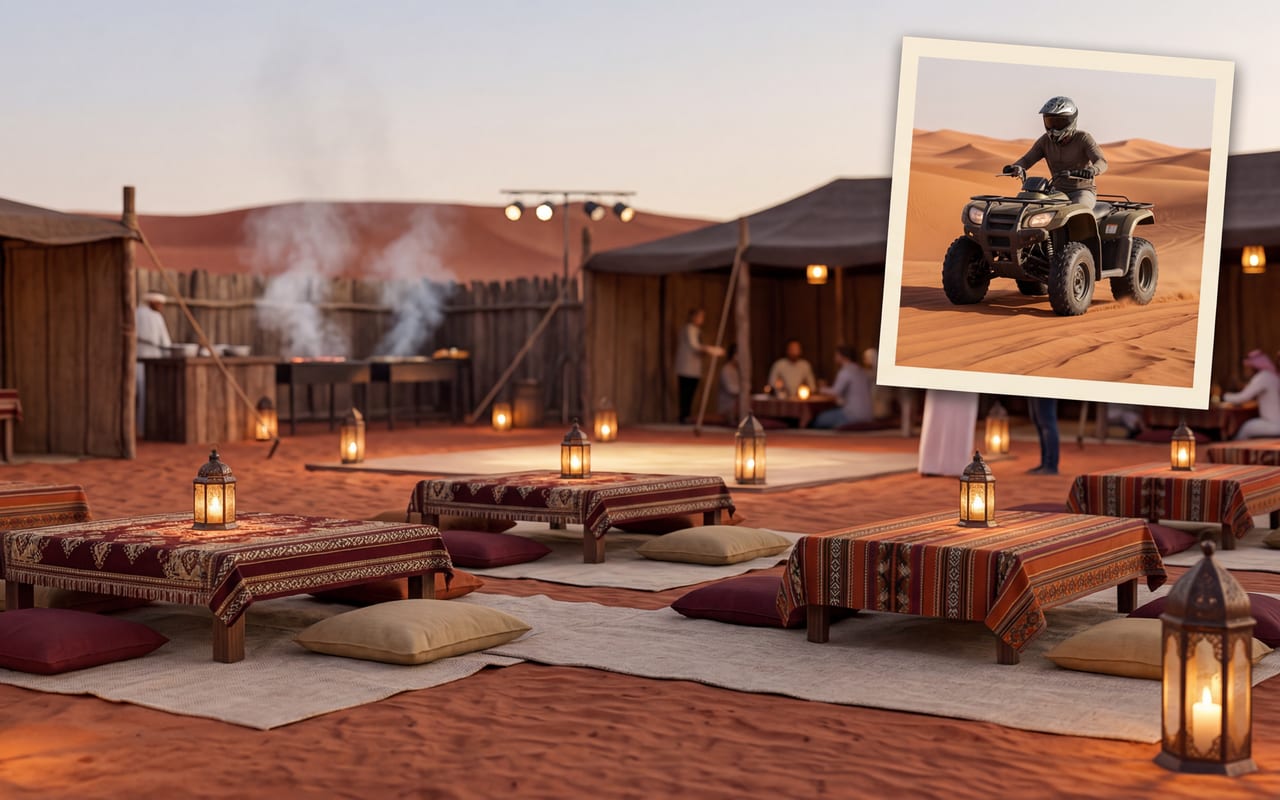
Check the rental age restriction and any licence requirement before booking. Rules can depend on engine size, vehicle type, and local regulations. A rider who is unsure should ask rather than assume that experience on private land is enough. A desert riding license or equivalent permission may be relevant in some cases, and the rental should be able to explain what applies to the chosen ride. If the answer is confusing, pause the booking until it is clear.
Study the safety process, not just the sales pitch
A good rental choice includes a proper rental safety briefing. This should cover how to start and stop, how to sit on the bike, how to turn, what to do if the sand softens, and what signal to use if the group needs to slow down. The briefing should also explain what riders should do if they become separated from the group. Clear instructions before departure make the ride calmer for everyone.
Watch how the guide or instructor speaks to new riders. Practical guidance should be direct and easy to follow. It should include body position, steady throttle use, and the need to avoid sudden steering on loose sand. Riders should be told not to chase other vehicles or attempt jumps unless that is specifically part of a controlled activity. Confidence should build gradually, not through pressure.
Group rules matter too. Ask how many bikes go together and whether there is a lead rider and a rear rider. A well-managed group reduces the chance of someone being left behind. It also helps if the pace is set for the least experienced rider rather than the fastest one. If the route is busy, clear hand signals and a short briefing can prevent confusion.
Some riders compare a quad with a dune buggy dubai experience because buggies can feel more stable for certain people. That comparison is useful when the choice is framed around comfort, control, and route type. A wider vehicle may suit someone who prefers a seated steering feel, while a quad can feel more active and responsive. Neither choice removes the need for safe riding, but one may match your instincts better.
Match the price to what is included
Cost should be judged against the whole offer, not the headline figure. Look at what the rental covers: the bike, protective gear, briefing, route, support vehicle, water, transfers, and any entry fees that apply. A lower price can be reasonable if the package is simple. It can also be a poor choice if essential items are added later. Ask for the full list before booking so the comparison is fair.
Cancellation and rescheduling terms deserve attention as well. Weather, travel plans, and group availability can change. A clear policy helps you understand what happens if plans shift. Avoid relying on vague promises. If a term is not written down, ask for it to be confirmed before payment.
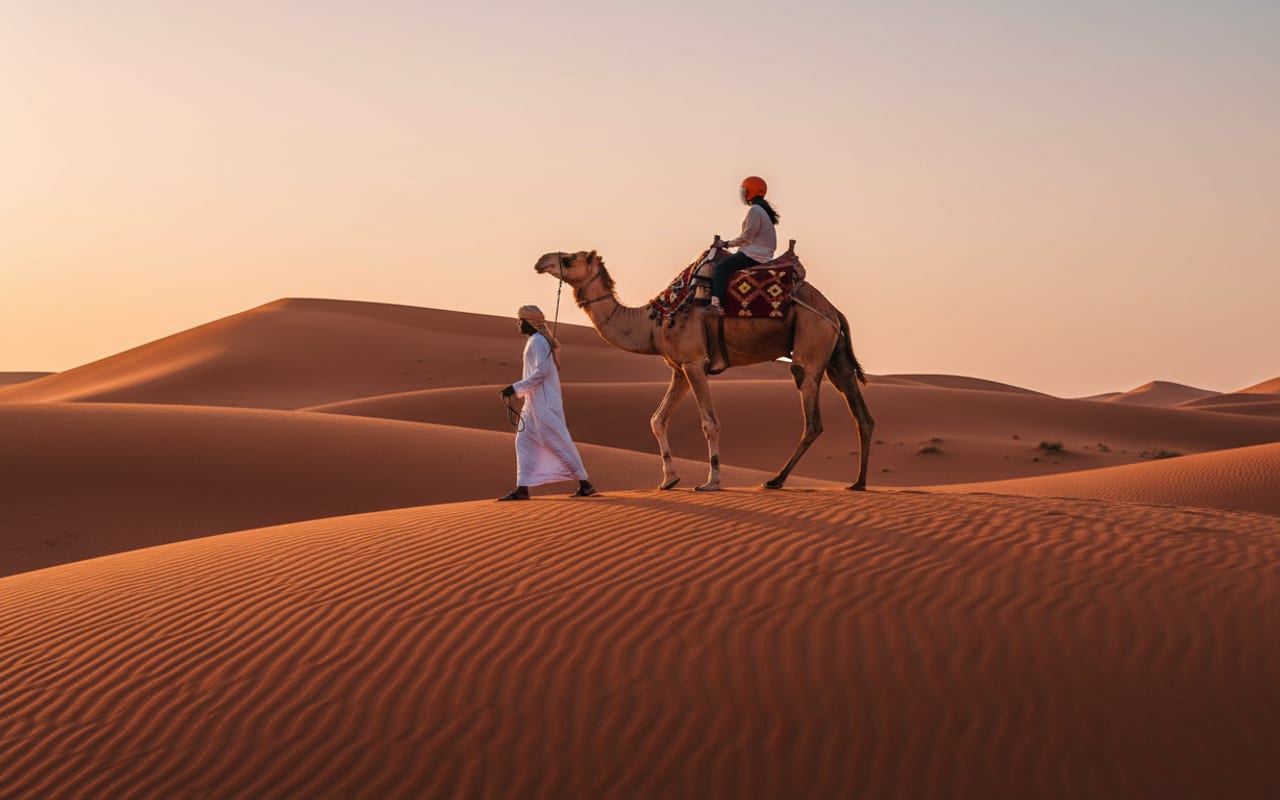
Read recent feedback with a careful eye. Comments about clean bikes, clear instructions, honest inspections, and organised routes are useful. Repeated complaints about delays, unclear charges, or rushed briefings are worth taking seriously. A single odd review may not mean much, but the same issue repeated across different times suggests a pattern. Use feedback to judge consistency, not just satisfaction.
Make the final choice with a few clear checks
By the time you book, the decision should feel straightforward. The vehicle should suit the rider, the route should match the experience level, and the terms should be easy to understand. If any part still feels uncertain, ask a direct question before paying. A rental that handles basic questions calmly is usually easier to deal with on the day.
On pickup day, arrive with enough time to complete paperwork, inspect the bike, and listen to the briefing. Wear practical clothing, bring eye protection if it is not supplied, and keep valuables secure. Ask where to meet if the group splits, and confirm the signal for stopping. Once the ride begins, follow the route and the pace set by the guide. The right rental choice is the one that lets the desert feel enjoyable, not the one that simply promises the biggest bike or the longest route.